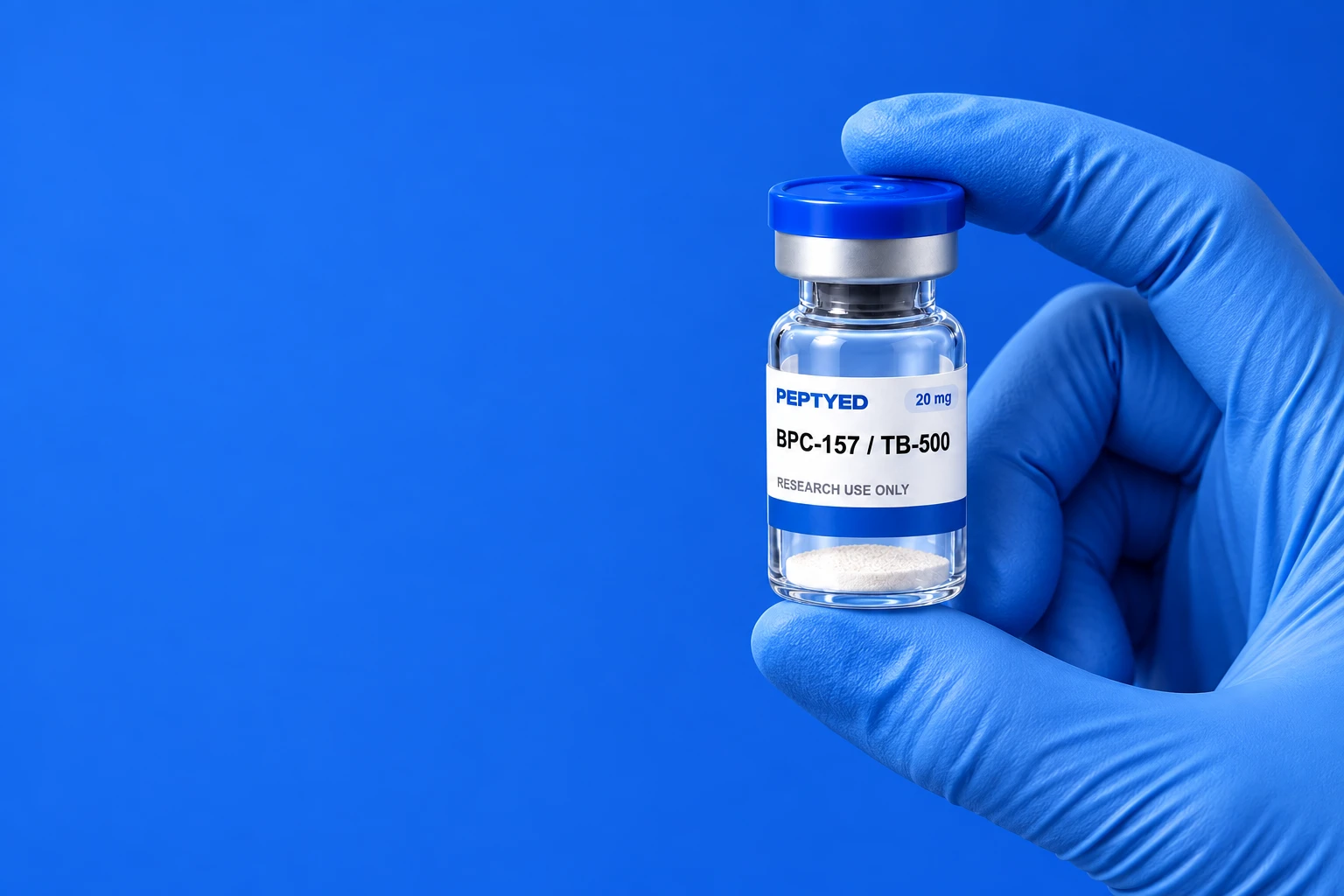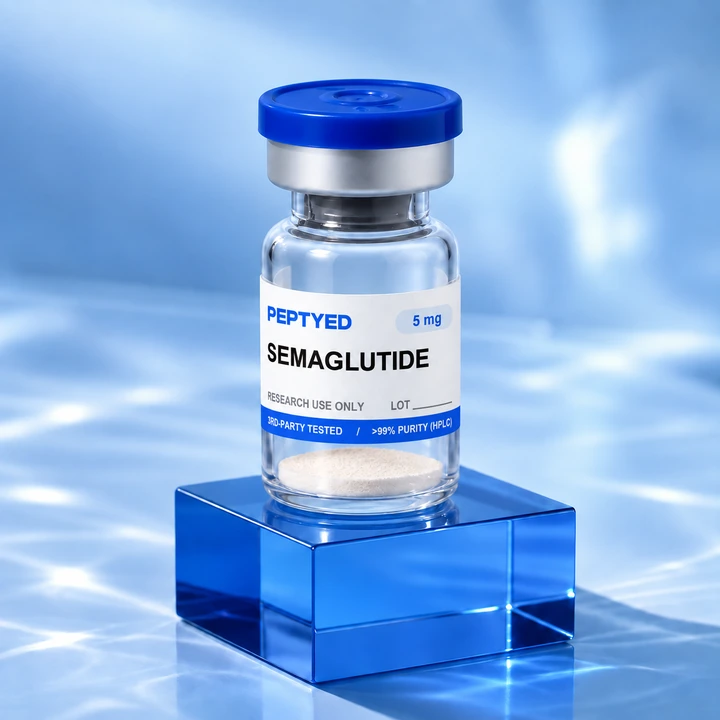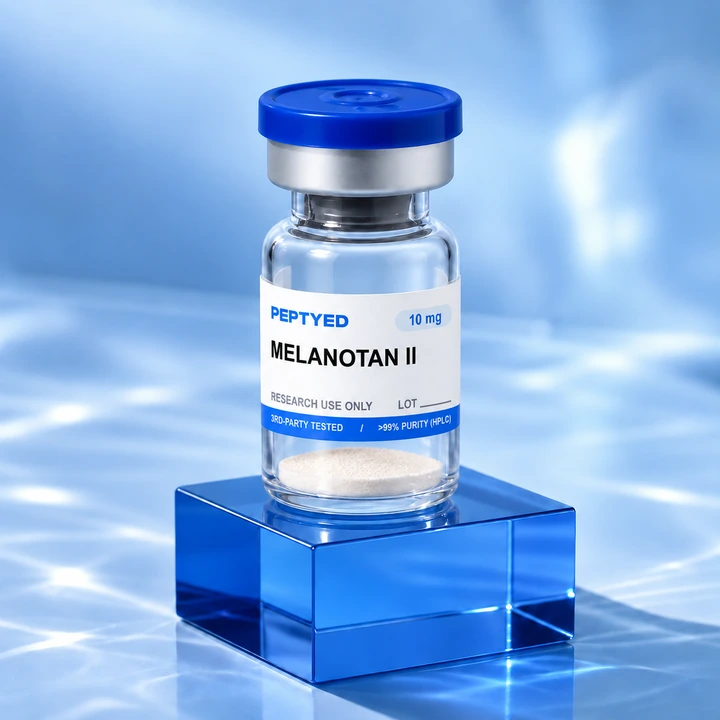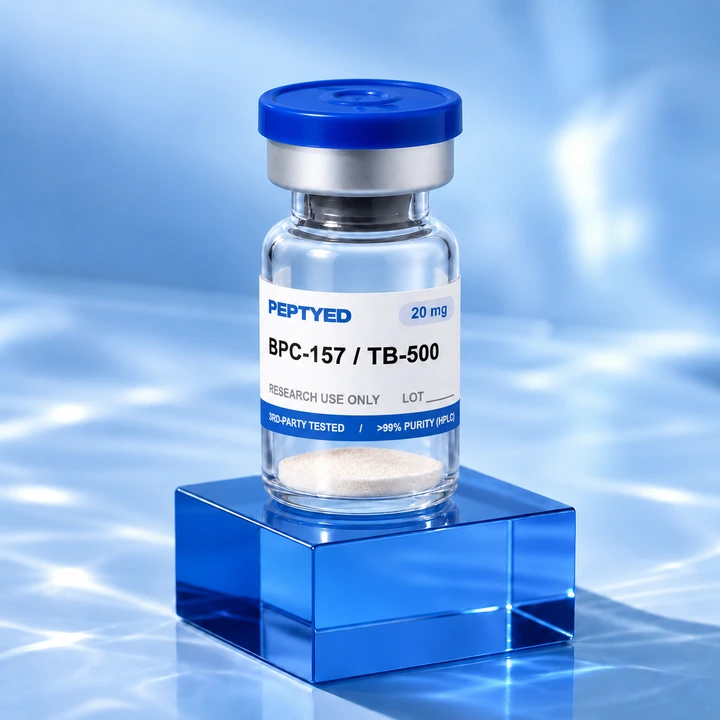
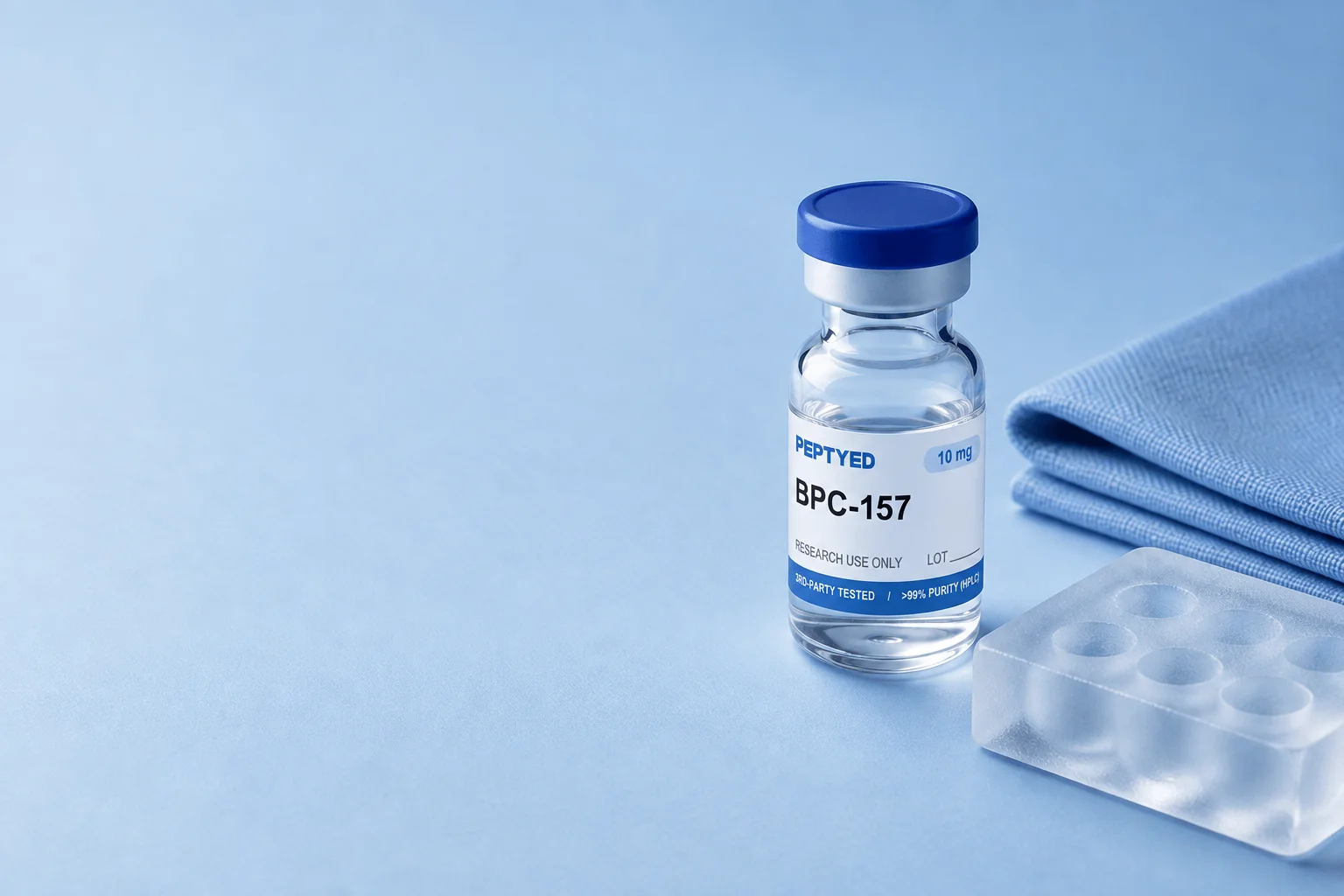

Independent third-party testing for identity and purity
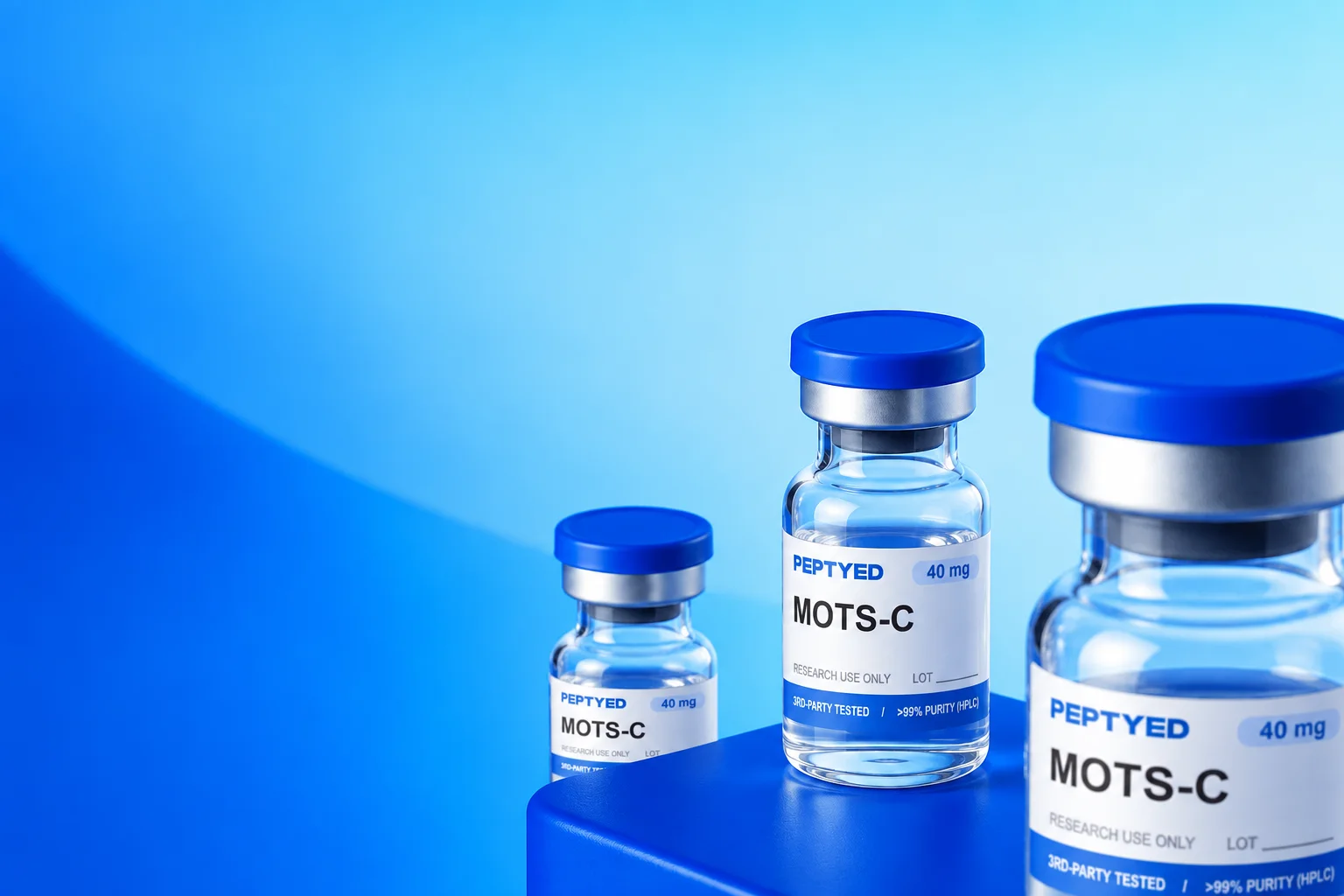
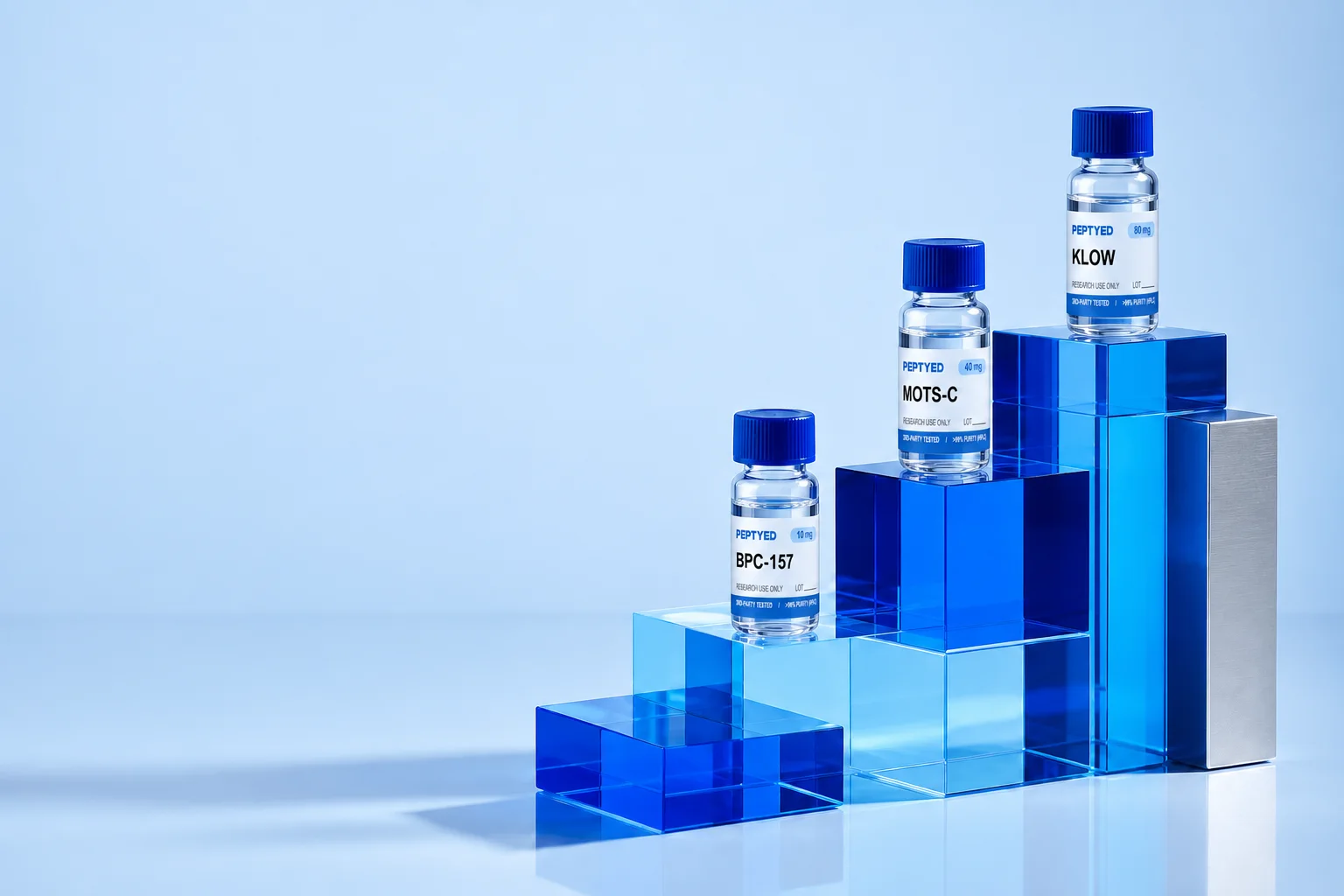
Three blue-capped research vials floating against a bright blue background

Research beginswith certainty.

US-compounded research compounds, independently tested by third-party laboratories for identity and purity.

Explore compounds

For research use only · Not for human or veterinary use

An American research compound company.

US-compounded products, independent analysis, and a clear buying experience built for serious laboratory research.

Independent lab analysis

Third-party laboratories evaluate compound identity and purity.

Testing standards

99%+ purity standard

Catalog compounds are independently tested to confirm 99%+ purity.

Purity standards

Free U.S. shipping

Complimentary standard shipping on U.S. research orders.

Shipping details

Transparent pricing

Clear vial amounts and straightforward pricing across the catalog.

Browse the catalog

Compounds with clarity.

Essential compounds, clearly presented.

Explore all

Third-party tested.
Quality made clear.

Peptyde compounds are evaluated by independent laboratories for identity and purity. It is a quality standard built into the catalog—not an extra step in the buying experience.

See how we test
01

Identity

Third-party analysis helps confirm that each tested compound matches its stated identity.

02

Purity

Independent HPLC testing measures purity within the tested sample.

03

Independent labs

Testing is performed outside Peptyde by third-party analytical laboratories.

04

Quality control

Testing, handling, and fulfillment standards work together across the catalog.

The researchers behind peptide science.

Meet researchers whose published work helped define MOTS-c, SS-31, and glucagon-like peptide biology.

Portrait of Pinchas Cohen, MD
Leonard Davis School of Gerontology

Pinchas Cohen, MD

Distinguished Professor and Dean

MOTS-c · Mitochondrial-derived peptides

“MOTS-c treatment in mice prevented age-dependent and high-fat-diet-induced insulin resistance, as well as diet-induced obesity.”

Portrait of Hazel H. Szeto, MD, PhD
Weill Cornell Medicine

Hazel H. Szeto, MD, PhD

Pharmacologist and peptide researcher

SS-31 · Mitochondrial peptide biology

“SS-31 is a mitochondria-targeted tetrapeptide that can scavenge mitochondrial ROS and inhibit MPT, suggesting that it may protect against ischemic renal injury.”

Portrait of Daniel J. Drucker, MD
University of Toronto · Sinai Health

Daniel J. Drucker, MD

University Professor and clinician-scientist

GLP-1 and GLP-2 · Regulatory peptides

“Glucagon-like peptide-1 (GLP-1) released from gut enteroendocrine cells controls meal-related glycemic excursions through augmentation of insulin and inhibition of glucagon secretion.”

Portrait of Jens Juul Holst, MD, DMSc
University of Copenhagen

Jens Juul Holst, MD, DMSc

Professor of Medical Physiology

GIP and GLP-1 · Incretin physiology

“The incretin effect … is one of the factors that help the body to tolerate carbohydrate/glucose ingestion.”

Published excerpts summarize the cited studies and do not imply affiliation with or endorsement of Peptyde. Preclinical findings are identified where applicable.

USC Leonard Davis School of Gerontology

Pinchas Cohen, MD

Distinguished Professor and Dean

Cohen and collaborators reported MOTS-c, a mitochondrial-encoded 16-amino-acid peptide, and studied its role in metabolic homeostasis.

“MOTS-c treatment in mice prevented age-dependent and high-fat-diet-induced insulin resistance, as well as diet-induced obesity.”

2015 preclinical mouse study

The mitochondrial-derived peptide MOTS-c promotes metabolic homeostasis and reduces obesity and insulin resistance

This publication is presented for scientific context. The researcher and institution are not affiliated with Peptyde and do not endorse Peptyde products.

Photo: USC Leonard Davis School of Gerontology

Weill Cornell Medicine

Hazel H. Szeto, MD, PhD

Pharmacologist and peptide researcher

Szeto led foundational work on SS-31, a mitochondria-targeted tetrapeptide, and its behavior in ischemia-reperfusion models.

“SS-31 is a mitochondria-targeted tetrapeptide that can scavenge mitochondrial ROS and inhibit MPT, suggesting that it may protect against ischemic renal injury.”

2011 preclinical rat study

Mitochondria-targeted peptide accelerates ATP recovery and reduces ischemic kidney injury

This publication is presented for scientific context. The researcher and institution are not affiliated with Peptyde and do not endorse Peptyde products.

Photo: John Abbott / Weill Cornell Medicine

University of Toronto · Sinai Health

Daniel J. Drucker, MD

University Professor and clinician-scientist

Drucker’s research helped define GLP-1 and GLP-2 biology and the mechanisms of glucagon-like peptide action.

“Glucagon-like peptide-1 (GLP-1) released from gut enteroendocrine cells controls meal-related glycemic excursions through augmentation of insulin and inhibition of glucagon secretion.”

2018 peer-reviewed review

Mechanisms of Action and Therapeutic Application of Glucagon-like Peptide-1

This publication is presented for scientific context. The researcher and institution are not affiliated with Peptyde and do not endorse Peptyde products.

Photo: Brigitte Lacombe / Breakthrough Prize

University of Copenhagen

Jens Juul Holst, MD, DMSc

Professor of Medical Physiology

Holst’s work has helped explain the incretin effect and the physiology of GIP and GLP-1.

“The incretin effect … is one of the factors that help the body to tolerate carbohydrate/glucose ingestion.”

2019 peer-reviewed review

The incretin system in healthy humans: The role of GIP and GLP-1

This publication is presented for scientific context. The researcher and institution are not affiliated with Peptyde and do not endorse Peptyde products.

Photo: Brigitte Lacombe / Breakthrough Prize

Questions,
answered clearly.

Purchasers must be at least 21 and qualified to receive, handle, store, and dispose of research materials for a lawful laboratory purpose.

No. Every Peptyde product is sold strictly for laboratory research and is not intended for human or animal use, consumption, diagnosis, or treatment.

Peptyde uses independent third-party laboratories to evaluate compound identity and purity. Testing standards and available results are outlined on our Science page.

Contact research support promptly and retain the shipment, packaging, labels, and photographs so the fulfillment record can be reviewed.

New compounds. Same quality standard.

Receive launch notices, inventory updates, new-compound releases, and quality news.

By subscribing, you agree to receive research and product updates. You may unsubscribe at any time. Privacy policy